
Halloween Sale Special Limited Time 75% Discount Offer - Ends in 0d 00h 00m 00s - Coupon code = drift75
Pass the Cisco CyberOps Professional 300-215 Questions and answers with ExamsMirror
Exam 300-215 Premium Access
View all detail and faqs for the 300-215 exam
786 Students Passed
96% Average Score
93% Same Questions
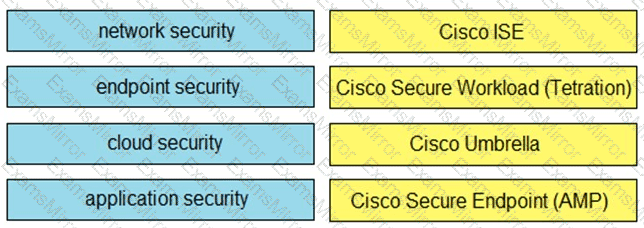
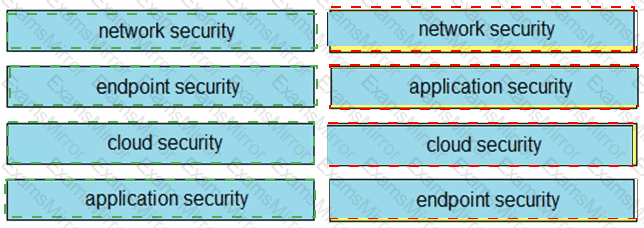
Drag and drop the capabilities on the left onto the Cisco security solutions on the right.
A threat intelligence report identifies an outbreak of a new ransomware strain spreading via phishing emails that contain malicious URLs. A compromised cloud service provider, XYZCloud, is managing the SMTP servers that are sending the phishing emails. A security analyst reviews the potential phishing emails and identifies that the email is coming from XYZCloud. The user has not clicked the embedded malicious URL. What is the next step that the security analyst should take to identify risk to the organization?
An incident responder reviews a log entry that shows a Microsoft Word process initiating an outbound network connection followed by PowerShell execution with obfuscated commands. Considering the machine's role in a sensitive data department, what is the most critical action for the responder to take next to analyze this output for potential indicators of compromise?
An “unknown error code” is appearing on an ESXi host during authentication. An engineer checks the authentication logs but is unable to identify the issue. Analysis of the vCenter agent logs shows no connectivity errors. What is the next log file the engineer should check to continue troubleshooting this error?
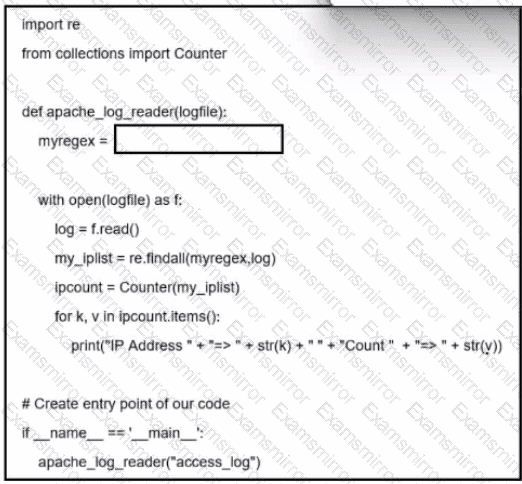
Refer to the exhibit. A network administrator creates an Apache log parser by using Python. What needs to be added in the box where the code is missing to accomplish the requirement?
During a routine security audit, an organization's security team detects an unusual spike in network traffic originating from one of their internal servers. Upon further investigation, the team discovered that the server was communicating with an external IP address known for hosting malicious content. The security team suspects that the server may have been compromised. As the incident response process begins, which two actions should be taken during the initial assessment phase of this incident? (Choose two.)
Refer to the exhibit.

An experienced cybersecurity analyst is investigating a sophisticated suspected breach on a Windows server within an enterprise network and compiled the evidence gathered so far Which action should the analyst prioritize to understand the scope and impact of the breach?
A threat intelligence report identifies an outbreak of a new ransomware strain spreading via phishing emails that contain malicious URLs. A compromised cloud service provider, XYZCloud, is managing the SMTP servers that are sending the phishing emails. A security analyst reviews the potential phishing emails and identifies that the email is coming from XYZCloud. The user has not clicked the embedded malicious URL. What is the next step that the security analyst should take to identify risk to the organization?
A cybersecurity analyst is analyzing a complex set of threat intelligence data from internal and external sources. Among the data, they discover a series of indicators, including patterns of unusual network traffic, a sudden increase in failed login attempts, and multiple instances of suspicious file access on the company's internal servers. Additionally, an external threat feed highlights that threat actors are actively targeting organizations in the same industry using ransomware. Which action should the analyst recommend?
Refer to the exhibit.
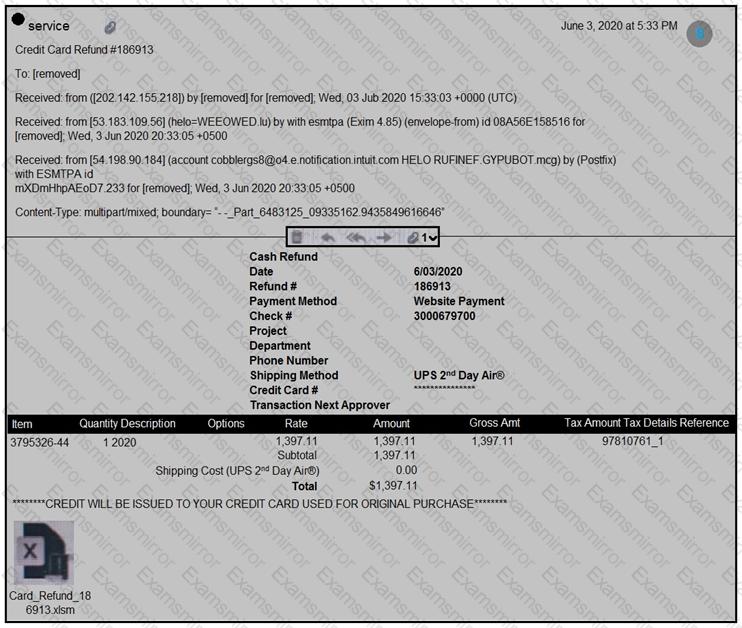
Which element in this email is an indicator of attack?

TOP CODES
Top selling exam codes in the certification world, popular, in demand and updated to help you pass on the first try.